
The complex story of Fruit
Fruit, it's complicated
In the wild, fruit only becomes available once it has ripened, which marks the end of its growth cycle. All animals understand the code used by plants. Green usually means the fruit is not ready to eat, while bright colors signal that it is. But why does this happen? The mother plant has evolved to produce toxins in immature fruit, which gives the fruit time to ripen fully. Once ripe, the fruit is ready to reproduce and continue the cycle of plant life. Any animal that eats unripe fruit and becomes very ill will learn to avoid it in the future. These toxins are eliminated once the fruit is ripe and ready to be eaten. It’s nature’s genius in action!
So, Dr. Dan, is fruit natural and healthy to eat? Sort of. Our ancestors discovered that, in addition to tasting delicious, fruit helped them gain weight and survive the lean season that followed the annual bounty. This probably led to our evolved preference for fruit and our modern-day “sweet tooth.” However, fructose is toxic, and it’s possible to eat too much fruit. However, this isn’t the main problem. Nature made sure we never had access to too much fruit. Fruit was only available once a year, and honey, which also contains fructose, was mostly inaccessible.
Enter modern-day global agribusiness. Now, we have year-round access to all kinds of fruit from all over the world. Often, the fruit is picked before it’s ripe and then artificially ripened using various methods. Chemicals such as calcium carbide and ethylene gas change the fruit’s color to make it appear ripe. The key point is that the fruit looks ripe but is not actually ripe. Unripe fruit is firmer and survives shipping better. Artificial ripening creates a uniform color, making the fruit look better. However, be careful because the final stages of detoxification have not been completed by the plant. This means that these fruits may still contain plant toxins despite their appearance. They also contain chemical residues. Even worse, our bodies are not designed to eat fruit year-round. After gaining weight in preparation for winter, we are supposed to lose it by spring or summer. This natural yearly cycle is important.
The sneaky ones
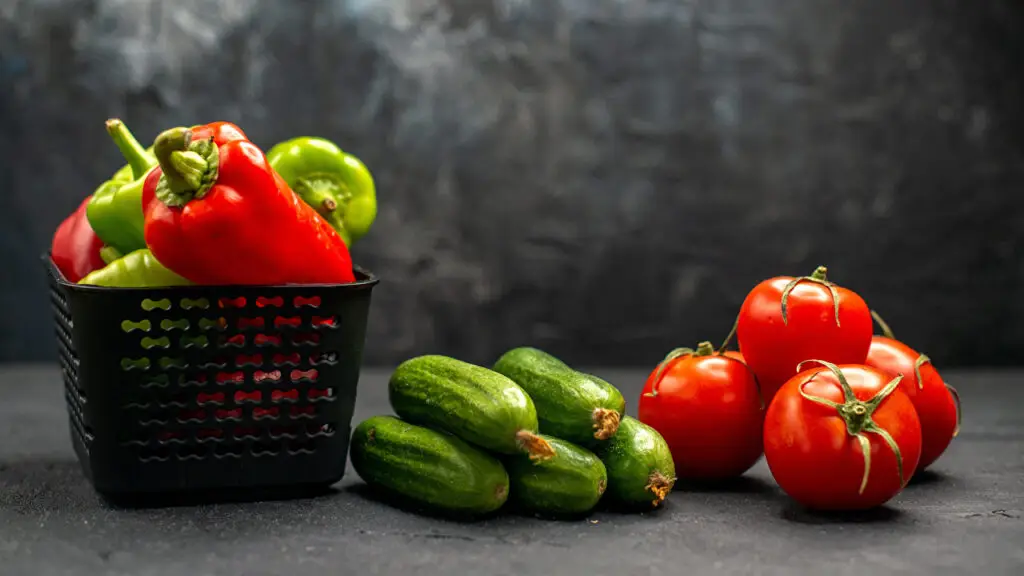
Next are fruits that look like vegetables. Most people know that tomatoes are fruits, but what about cucumbers, bell peppers, and eggplants? Anything with seeds is a fruit. However, the skin and seeds of fruits can be especially inflammatory. There are a few notable exceptions, though, such as pomegranate seeds. If you insist on eating tomatoes, blanch and peel them, scoop out the seeds, or better yet, ferment them! The same goes for chili peppers. When starting the elimination period, it is best to avoid fruit completely. Then, once your intestinal wall has healed and your microbiome is healthy, slowly reintroduce them one at a time.
final word
Following these guidelines can help you make fruit a healthy addition to your diet. For instance, avocados are the only fruit that can be eaten daily year-round. They are high in healthy fats and fiber, and low in sugar. Enjoy! Green bananas, green mangoes, and green papayas are also good sources of fiber and low in sugar. However, once they are ripe, their sugar content increases. Next, consider plant-ripened fruits that are in season. The “in season” part is the most important. It’s best if these fruits are locally grown, organic, and allowed to ripen on the plant. As with all sweetened foods, limit yourself to one serving per day because they are designed to make you gain weight. When the season ends and local fruit is no longer available, stop eating it. Don’t be tempted to buy more at the grocery store. The product that looks and is labeled as fruit is not the same. If you are trying to lose weight, skip the fruit altogether because it is not necessary for good nutrition. Good vegetable sources of vitamin C include broccoli, Brussels sprouts, and cauliflower.
Fruit makes us fat!