
Substances
Dr. Dan's Thoughts on Substances
Cigarettes - Light ‘em if you got ‘em...
Well, I can’t talk about nutrition without mentioning cigarettes. Remember the doctor’s license? Hold on, though. I’m going to tell you something you probably haven’t heard from your other doctors. Don’t quit yet. Yes, you read that correctly.
Don’t Quit Cigarettes? Really Doctor Dan?
Let me explain. Cigarettes are not the problem; they are the solution. We can’t tell you to stop using them to solve your problems without offering an alternative. Does that make sense? If a car is too loud, we wouldn’t tell the owner to remove the engine. That’s what we, your colleagues, are doing when we tell you to “stop smoking.” You know it’s harmful. Yet you choose not to stop. Why not? It’s not just addiction, although that is a factor. There are many factors involved in smoking cigarettes, and it’s a complex issue. Ultimately, though, you smoke to relieve anxiety and feel better. Nicotine is one of the most powerful anxiolytics—that’s doctor talk for “stress reliever”—and cigarettes are a convenient delivery system. Light up, inhale, and relax!
Unfortunately for you but fortunately for tobacco companies, the effects are short-lived. Once the effects wear off, the anxiety returns and you light up again. Therefore, nicotine is also one of the worst anxiolytics because its effects are short-lived.
Don’t Quit Cigarettes - YET
The goal is not to stop smoking cigarettes, but rather to replace the anxiety relief associated with smoking with healthier anxiety management techniques. This is where Dr. Dan’s meal plans come in. One added benefit of getting enough sleep is lower anxiety levels. Another benefit of fasting is reduced anxiety, especially with a 48-hour dopamine reset fast. Eating nutritious, delicious, anti-inflammatory food also lowers anxiety levels. The weight loss that naturally occurs with all of the above also lowers anxiety levels. See where I’m going? Now, add meditation and exercise to the mix, and your anxiety level will decrease dramatically. Follow Dr. Dan’s food plans for six months. With your baseline anxiety level much lower, you will likely be well-prepared to quit smoking.
We want to help you quit smoking compassionately and realistically. You may also want to consider adding counseling or ketamine therapy during this time. Changing your eating habits can be stressful. The last thing you need is more stress from quitting the one thing that helps with your anxiety. For now, let’s put cigarettes on the back burner. As you transition to the full plan, follow the old U.S. Army instructions: “Light ’em if you got ’em.” It’s true—the U.S. government used to give soldiers cigarettes.
Marijuana
Although many states have passed laws decriminalizing marijuana use for medical or recreational purposes, it remains illegal under federal law. Further research and widespread recreational use will eventually determine marijuana’s effectiveness in treating anxiety and other conditions, as well as any adverse effects.
Dr. Dan is a licensed medical doctor registered with the Drug Enforcement Administration (DEA). Marijuana is a Schedule I drug and cannot be prescribed. Therefore, Dr. Dan does not endorse the use of marijuana outside of authorized research protocols.
Ketamine
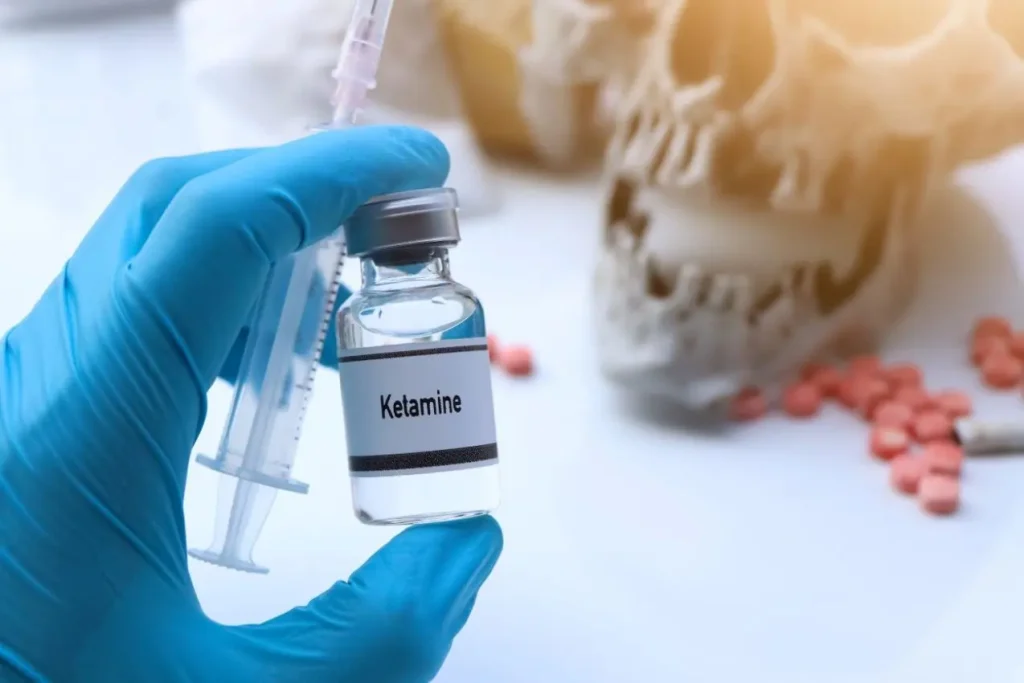
Originally developed as an anesthetic for the battlefield, ketamine has since been found to effectively stop suicidal thoughts. Its effectiveness in treating depression, anxiety, post-traumatic stress disorder (PTSD), and addiction is well-documented. Available by prescription only, ketamine can be administered via intravenous or intramuscular injection, nasal spray, or sublingual tablets. It is especially effective at reducing or eliminating alcohol cravings. It acts quickly and does not cause physical dependence. If you are struggling with depression and/or anxiety that seems beyond your control, please discuss ketamine therapy with your doctor. Most major cities in the US have legal ketamine clinics.
Dr. Dan recommends ketamine therapy for individuals who need support in managing depression, anxiety, PTSD, and/or addiction. A healthy diet, meditation, exercise, and supplements can also help reduce stress and improve overall wellness. Ketamine is much more effective and safer than alcohol, and it can be a life-changing bridge during the transition.
Please do not confuse legally prescribed, supervised, pharmacy-sourced ketamine with illegal street ketamine. Street ketamine is unsafe and is likely to be contaminated with fentanyl or other substances. Ketamine is a DEA Schedule III drug and must be used under a doctor’s supervision.
Psilocybin, Ibogaine, Ayahuasca
Many prestigious institutions are actively researching psychedelic compounds, such as psilocybin, ibogaine, and ayahuasca. Promising data suggests these compounds could be valuable in treating depression, post-traumatic stress disorder (PTSD), and other mental health conditions. On April 18, 2026, President Trump issued an executive order aimed at accelerating the research and development of these compounds.
Dr. Dan predicts that psilocybin and ibogaine, much like ketamine, will be available in the future. Currently, all of these compounds are illegal in the US outside of authorized studies.
Dr. Dan is a licensed medical doctor and is therefore registered with the Drug Enforcement Administration (DEA). All three drugs are labeled as Schedule I substances and cannot be prescribed. Therefore, Dr. Dan does not endorse their use outside of authorized research protocols.