
Supplements
First, remember that supplements are meant to complement a healthy diet and lifestyle. You can’t add supplements to an unhealthy diet and expect them to make up for it. Start with the basics, and then consider adding supplements based on your needs.

Magnesium
Many of us are at risk of having low magnesium levels, particularly those with metabolic syndrome, such as diabetes. It is difficult to accurately estimate magnesium levels because blood levels are tightly controlled and most of the magnesium in the body is found inside cells. Regular blood tests are not accurate. Having normal blood levels of magnesium does not necessarily mean that your cells have normal levels. If your blood level is low, then your body is seriously depleted. Fortunately, magnesium is safe and can be taken as a daily supplement. I like adding magnesium glycinate powder to my water bottles and drinking the mixture throughout the day. The goal is to consume about 1000 mg (1 gram) total per day.
Magnesium glycinate is an excellent choice because it is highly bioavailable (around 80%) and does not usually cause intestinal symptoms such as diarrhea. Glycinate is also microbiome-friendly, providing a double benefit. I take about 400 mg of magnesium glycinate at night because it relaxes the body and helps me sleep.
Another good option is magnesium L-threonate because the threonate helps move magnesium into the brain.

Vitamin D3
The recommended amount of vitamin D3 is just enough to prevent deficiency but not enough to promote optimal health. Recent studies have revealed two significant findings. First, a large proportion of the population is deficient in vitamin D3, defined as having levels below 20 ng/mL. Second, researchers found that people with slightly higher levels of vitamin D3 (approximately 34 ng/mL) experienced notable health benefits compared to those with lower levels. These benefits include decreased infection rates, improved autoimmune disease symptoms, and reduced cancer mortality. Every resource I have read recommends vitamin D3 levels significantly higher than traditional guidelines. Levels above 70 ng/mL are likely the minimum required for good health. The optimal levels for overall health and a healthy gut microbiome are between 100 and 150 ng/mL. Depression and anxiety improve with adequate vitamin D3 levels. However, many medical practitioners are not up to speed on vitamin D levels. Aim for at least 70 ng/mL, but over 100 ng/mL is probably best.
To achieve this, take at least 5,000 IU per day and monitor your levels. Scientific evidence suggests that taking up to 10,000 IU per day can provide anti-cancer benefits. Don’t be afraid to take vitamin D3. Your vitamin D3 levels are your best defense against getting sick from a virus, and they affect nearly every aspect of your health. I personally take 10,000 IU per day to maintain a level above 100 ng/mL. Currently, my level is 138 ng/mL.
Omega 3 and DHA
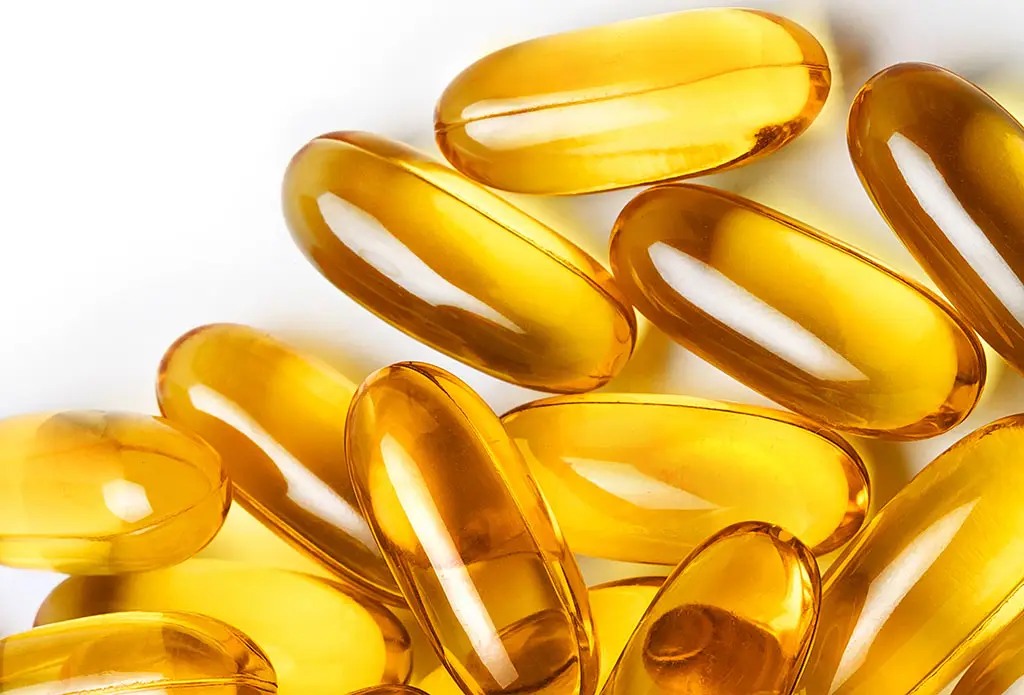
Unless you eat sardines every day, your omega-3-to-omega-6 ratio is probably not optimal. Taking a high-quality DHA omega-3 supplement is an effective way to increase your omega-3 levels. However, it’s also important to reduce your omega-6 intake from unhealthy foods. Supplements complement a healthy diet. However, they cannot negate the effects of a poor diet. Fish is the best source of DHA, but algae-based supplements are also available.
The ideal situation is to measure your omega concentrations with your next set of lab tests. Then, you can adjust your supplement needs depending on your levels. It’s good practice to check your levels once a year.
Iodine
It’s hard to believe, but iodine deficiency is on the rise again in the United States. The “pink salt” trend has taken over, so iodized salt isn’t used as much anymore. I prefer using iodized sea salt for cooking, but it can be difficult to find and expensive. Therefore, taking an iodine supplement is a good idea. Reasonable sea kelp-derived supplements are available, but the classic product is Lugol’s 2% or 5% solution. Pay attention to which concentration you have. Take five drops of the 2% solution or two drops of the 5% solution with your morning drink. It must be diluted or added to food. Never take it directly. The maximum is eight drops of the 5% solution.

Vitamin C
Unlike other animals, humans cannot produce vitamin C on their own and must obtain it through their diet. While there are many food sources of vitamin C, including fruits, it’s important to avoid consuming excessive amounts of fructose. An easy way to ensure you’re getting enough vitamin C is to take a supplement. Taking a 1,000-milligram supplement twice a day is reasonable. Alternatively, consider a sustained-release version because our bodies cannot store vitamin C.
Some believe that smokers benefit from vitamin C because it helps process nicotine. However, don’t assume that vitamin C can counteract the effects of smoking. If you smoke, you should definitely take a vitamin C supplement and read the section on nicotine to help you quit.
B6 and B12
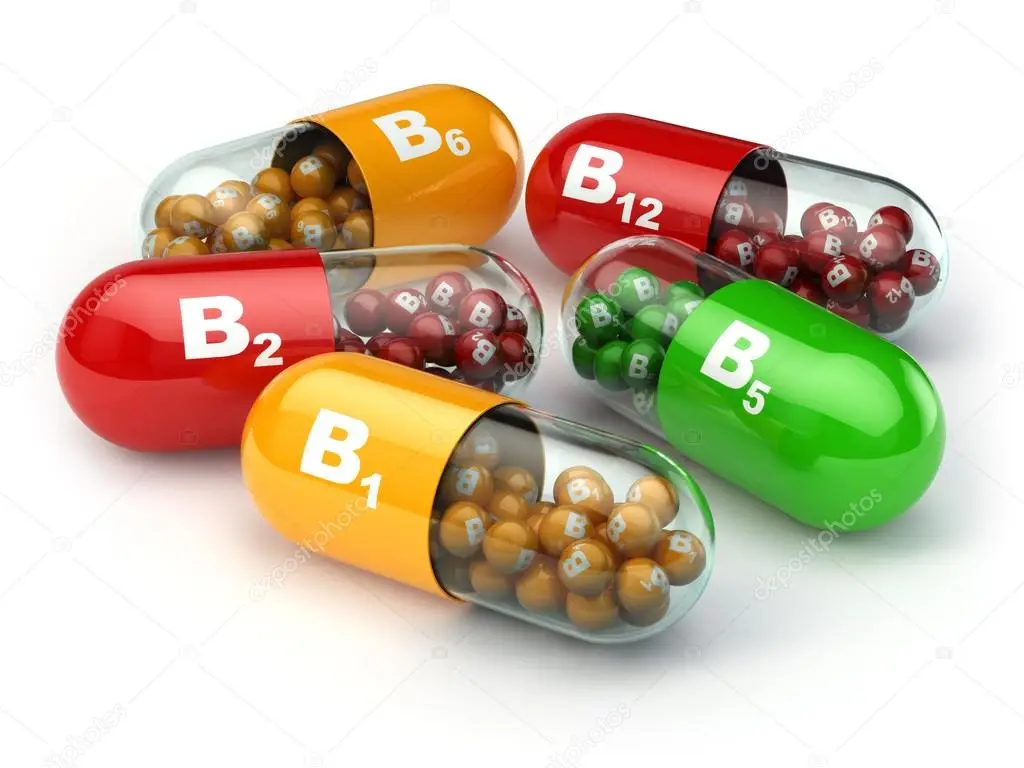
Many adults lose the ability to convert, or methylate, B vitamins. Taking a supplement in the wrong form may not help. Additionally, consuming too much vitamin B6 can be toxic. For this reason, you should discuss testing and supplements with your doctor. If the results show an inability to methylate or low levels, you may need a methylated form of vitamin B, which should be managed with your doctor. You can purchase a methylated B vitamin complex online. Regardless of your genes, you can take this type of supplement.
Creatine
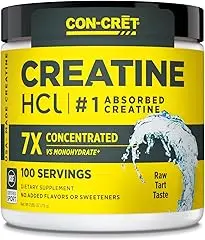
Creatine has long been well-known in the weightlifting community. Recently, however, it has gained attention for its potential to enhance cognitive function, particularly in older adults. Studies have shown that creatine can promote brain health during periods of poor sleep, travel, and physical activity, regardless of age. Most experts recommend adding 5 to 10 grams of creatine to your morning hydration drink, and even more during periods of high stress or travel.
Since creatine takes time to build up in the body, daily intake is necessary. Don’t expect to notice a difference after just a couple of doses.

Glycine
Glycine is an amino acid that the body can synthesize on its own. However, supplementation has been shown to have numerous beneficial effects, including improving deep sleep, enhancing brain function, aiding liver detoxification, and reducing inflammation. There are too many benefits to list. A review was published and can be found here: Razak, M. A., et al., “Multifarious Beneficial Effects of the Nonessential Amino Acid Glycine: A Review.”
Although you can ingest glycine directly, it’s better to eat hydrolyzed collagen and allow your body to convert it. Collagen is mostly made up of glycine, proline, and hydroxyproline. Your body will use all amino acids. Each gram of collagen provides 25-30% glycine. Therefore, to consume three grams of glycine, you would need to ingest approximately 10 to 15 grams of collagen.
It’s important to find a high-quality source because poor-quality meat creates poor-quality collagen. Some sources use only bovine, while others use a fish protein source. Learn about the source and try different ones if you experience stomach upset, rashes, or other adverse effects.
I like to mix 10 grams of hydrolyzed collagen with A2/A2 kefir, and sometimes add a little 100% cacao, about an hour before bedtime.