
Meditation
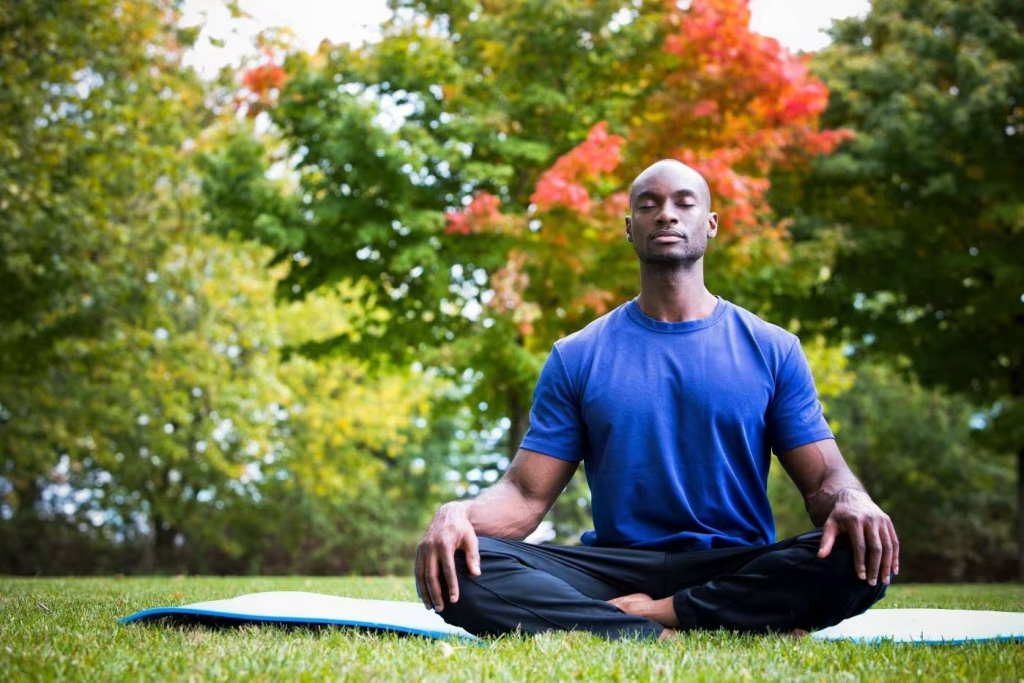
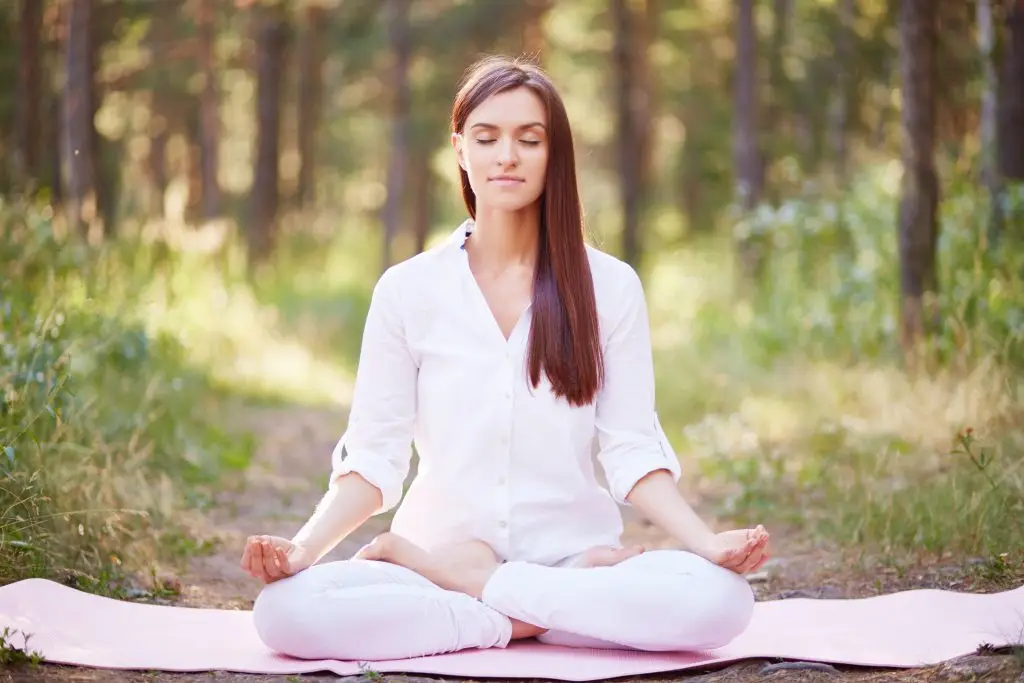
Meditation may be the oldest form of self-calming. It is the practice of quieting the mind and being fully present in the moment. Although there is ample scientific evidence supporting its benefits, this is not a guide to learning meditation. I am not aware of any adverse effects of meditation. Therefore, from a benefit-risk analysis perspective similar to that used for medical decisions, the choice is clear. Decreased anxiety and an improved gut microbiome have been documented in meditation practitioners. This is not surprising, given the powerful connection between the gut and the brain. The most important feature of all forms of meditation is the ability to release extraneous thoughts and “be here now.”
There are many types of meditation. I practice several, but I am a master of none. Although I don’t teach meditation, I would like to share some examples of different methods.
One example is breath meditation. Reportedly recommended by Buddha, this method involves purposeful, controlled breathing with complete focus on how and where the breath is felt.
Walking Meditation: This advanced practice involves maintaining a steady pace while breathing rhythmically. I believe that any rhythmic activity, such as road biking or rowing, could have a similar effect.
Guided Meditation: Many guided meditations are available as apps or online. Instructors often create scenes and suggest emotions based on a theme.
Yoga is typically associated with stretching and strength training. It is also a form of meditation. It is an advanced practice, not just a stretching or strength training session.
There is no “wrong” way to meditate. If you find something on which your mind can focus, then it may work for you. For instance, a YouTuber posted about how he meditates with a cigar because it requires controlled breathing and focuses the mind on the taste and aroma. I agree that this absolutely meets the criteria of a meditation experience. There are many teaching videos, courses, retreats, and private instructors. Whatever your path, consider adding meditation to your wellness routine. I have met many people who say they “want” to try meditation. I have yet to meet someone who regrets practicing it. Meditation does take practice, so please be patient with yourself. We often have so many thoughts racing through our minds that we don’t realize how chaotic they are until we try to achieve quiet.