
Coffee!
The world loves coffee! It originated in Ethiopia and spread around the world. People discovered that this magical bean (actually a seed) energizes the brain and body.
However, coffee is more than just an entertaining stimulant. It contains polyphenol compounds, antioxidants, and fiber, which provide numerous documented health benefits that we likely don’t fully understand. Coffee is a true microbiome booster.
And it’s not just about caffeine, coffee’s most famous ingredient. Decaf coffee has all the same health and microbiome benefits. It still contains caffeine, just at a much lower dose—usually about 30 milligrams instead of the typical 100-plus milligrams in a regular cup.
Check out this article from Johns Hopkins.
Yet all coffee is not equal. Let’s talk about upping your coffee to get the most benefit.
Start with Beans
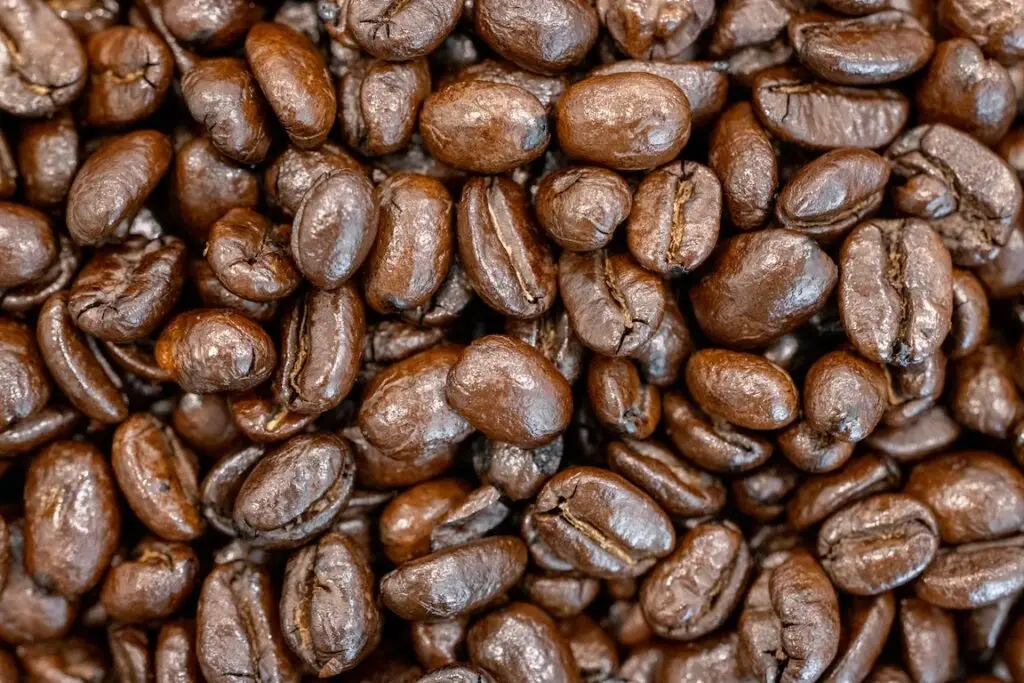
Unfortunately, none of those convenient prepackaged systems will work. Once coffee is ground, it has a very short shelf life—just hours, or maybe a day. The grinding process exposes the coffee to air, which causes immediate oxidation. De-caf coffee degrades so quickly that the beans should be frozen after the bag is opened. Popular and convenient systems are convenient. They produce a liquid that is coffee flavored and colored, but at a price. They are more expensive than starting with beans, and the pods are made of aluminum and/or plastic. Pressure and heat can release chemicals and plastics into your drink. If you insist on using pods, consider the refillable stainless steel ones. However, you’ll need to grind fresh beans and use them in a machine with fixed parameters.
Concoctions made with “pumps” of flavoring from popular stores are also out. They contain too much sugar and artificial chemicals to be beneficial.
Start with the freshest beans you can find (but not too fresh). Check out James Hoffman’s video on buying beans. He’s a coffee expert who explains the process well.
Next, get a grinder so you can grind fresh coffee daily. If you’re used to pod or packaged systems, this may seem foreign to you. Stick with it, though, because once you get into the habit of using freshly ground beans, you won’t want to use anything else.
The type of grinder you need depends on your brewing style. With so many different methods, it can be overwhelming at first. To make the transition easier, I suggest considering the French press or immersion system. Both are inexpensive, even the stainless steel ones. They both use coarser grounds, which are the easiest to grind, so an inexpensive grinder will work great.
Your last purchase is a coffee scale. All coffee recipes require a specific coffee-to-water ratio, which the scoop system cannot provide. A good coffee scale measures to the tenth of a gram (e.g., 20.5 g). Keep track of your recipes so you can easily recreate them.
Hario Switch recipe: There are many, this is one of my favorites:
20 grams of coffee, 300 mL hot water. Measure and grind the coffee while waiting for the water to heat up.
- Put the Switch device on top of a carafe or a French press base
- Put a fresh coffee filter in the cone.
- Add 100 mL water to the empty cone.
- Add the 20g ground coffee to the water
- Stir gently and sit 30 seconds
- Add the remaining 200 mL water*, stir gently
- Wait 3 minutes
- Open the switch to allow coffee to flow into caraf below.
- Enjoy a delicious cup of fresh brew!
French press recipe: This is my preferred recipe:
For one person, use 20 grams of coffee and 300 milliliters of hot water. For a larger, two-person press, use 40 grams of coffee and 600 milliliters of water.
- Add hot water to the French press base up to the 300- or 600-mL line.
- Add all of the ground coffee to the water.
- Stir well.
- Place the top piece on the press, but do not press down yet.
- Wait four minutes, then gently and slowly press the plunger down until it stops.
- Align the exit arrow with the spout.
Enjoy a delicious cup of fresh brew!
For stronger coffee, stir again before the final press.
What about espresso?
It’s my favorite way to make coffee, and note that it’s pronounced “es-press-o” and not “ex-press-o.” If you’re interested, I strongly suggest visiting many different coffee shops and trying every version. Bring your own cup in case they serve it in a paper one.
Brewing espresso at home is as much a hobby as a way to make coffee. You can buy a “super automatic” machine that does everything for you or have individual components that cost thousands each. Home-brewed espresso may not be ideal for those beginning their coffee journey, but it offers unlimited potential for those willing to dive deep.
You have been warned!
Is coffee water the next level?
Much as I wanted it to be a gimmick, I admit that adding specific minerals to distilled water makes the most delicious coffee. For years, I used plain distilled water until I saw a YouTube video talking about adding minerals to improve the flavor of coffee. Nonsense, I thought. But I bought a packet and added it to my next gallon of fresh distilled water. Okay, I was wrong. The flavor was noticeably better than plain distilled water. Of course, using tap water is a poor idea, as most tap water contains toxic substances (see the section on water). If you want the best flavor and nutrition from your coffee, check out the coffee minerals in the link section. I’ll likely create a DIY formula in the future because I don’t like the cost of these packets.