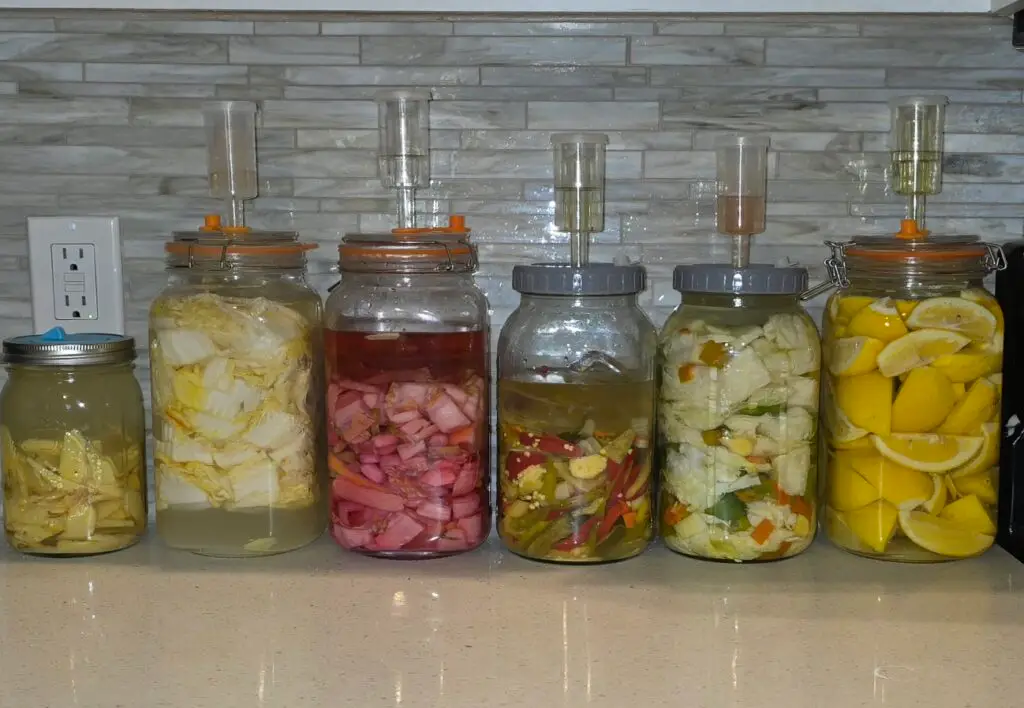
Ginger to Lemons, Unlimited combinations of flavors
We may never know exactly when fermentation in salt brine was first discovered, but we do know that this preservation method has been used for thousands of years. Before refrigeration existed, fermentation was used to preserve fresh vegetables for long periods of time. However, fermentation has many other applications besides preservation.
Coffee and chocolate are examples of fermentation. Both require fermentation to unlock flavors, detoxify, and make them delicious and safe. Cigar tobacco? Yes. The list of vegetables that require fermentation is endless: sauerkraut, kimchi, and pickles, to name a few. Dairy products include yogurt, kefir, and cheeses. The list is huge.
Fermentation is the process by which bacteria alter the structure and composition of food. Although we often associate bacteria with food spoilage, lacto-fermentation is actually beneficial. The bacteria that process the vegetables are naturally present and only require the right environment in which to work.
And they work! Cell walls are broken down. Lectins and toxins are reduced and deactivated. The nutritional value increases through the release and concentration of vitamins, proteins, and prebiotic compounds that feed your gut bacteria. Many items cannot be consumed at all without fermentation.
And let’s not forget about preservation. Fermented vegetables can be safely stored in the refrigerator for months. Baby cucumbers on sale? Hello crunchy pickles! Almost every vegetable and most fruits can easily be lacto-fermented. The flavour combinations are as delicious as they are endless.