
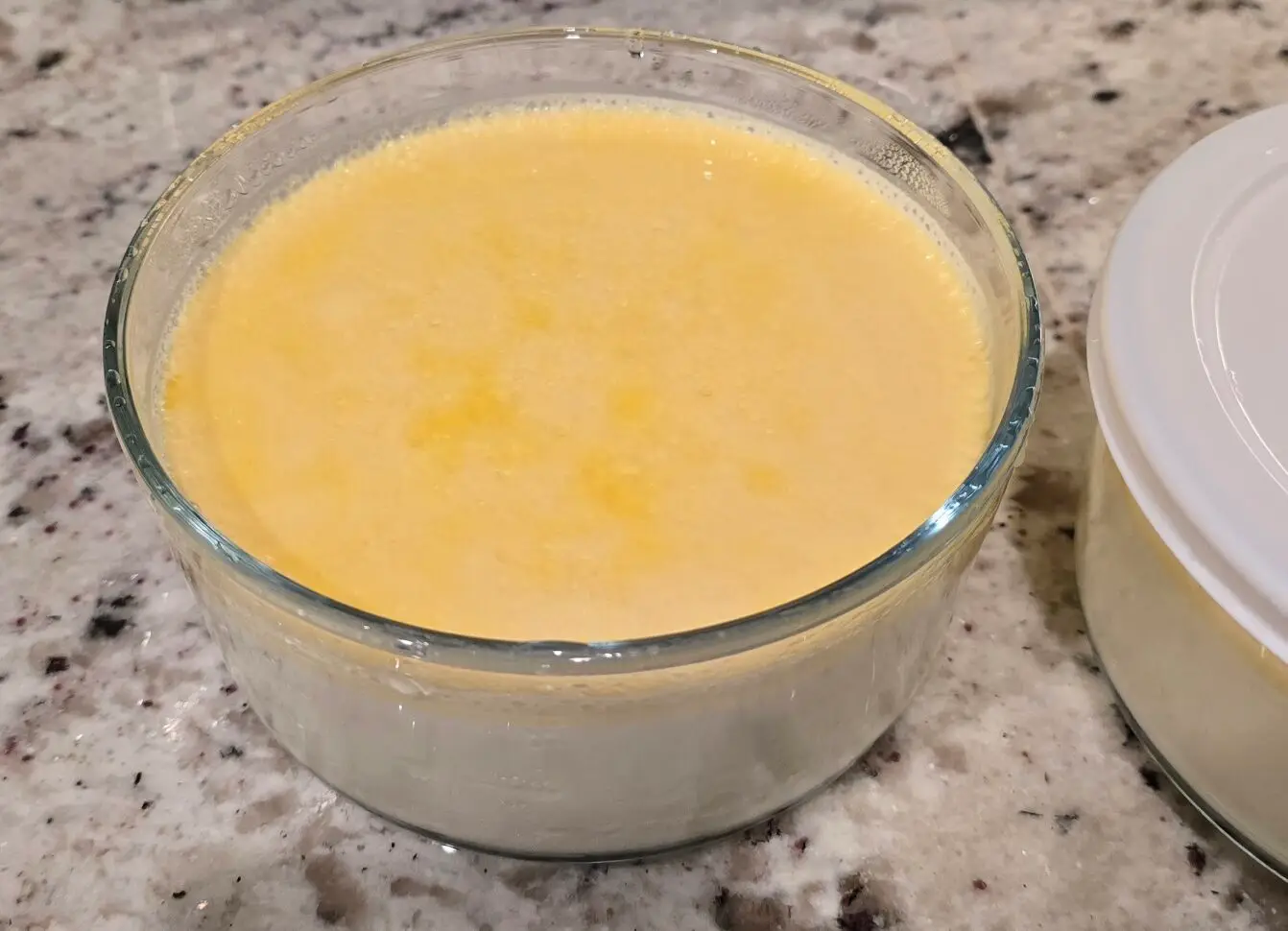
Stay tuned to this post! I am developing recipes for Dr. Davis-style probiotic dairy products. While it is not technically yogurt, it is made using the same techniques. The main differences are the use of specific bacteria and a 36-hour fermentation time, which increases bacterial numbers to the twelfth power! Commercial yogurt is not comparable. I’ll update this post with the exact recipes and techniques as soon as they’re ready.
Note: Some people react to dairy proteins, even when they are fermented. If you are new to the anti-inflammatory lifestyle, it may be best to avoid dairy until your immune system has adjusted.
In the sauerkraut and kimchi sections, I’ve discussed the benefits of fermented foods. I’ve also warned about the raw components of milk that we shouldn’t ingest. Fermented dairy is different. The fermentation process reduces or eliminates unwanted compounds and adds beneficial ones. I’ve been experimenting with different types of bacteria and milk products, but I’m not ready to announce the winners just yet. I don’t have enough data to discuss some of the health claims, but I can tell you that this is the most delicious “yogurt”-type food I have ever tasted. I won’t be buying much store-bought yogurt anymore. As with all Dr. Dan recipes, I won’t post it until it’s in my normal food rotation.
Basic recipe:
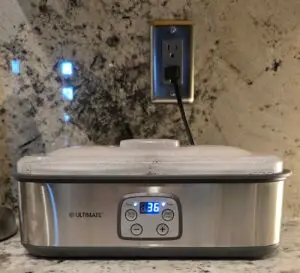
I start with grass-fed half-and-half or heavy cream. Even better if you can find A2/A2 protein products!. Then, I mix in an L. reuteri or L. crispatus starter with two teaspoons to a tablespoon of inulin. I blend everything well, then top off the container with grass-fed whole milk. I usually place the container in the yogurt maker before adding the milk. Repeat this process for the second bowl. Then, snap on the lids and add water. Fill it almost to the top—just shy of three and a half cups in my machine. Place the cover on. Plug in the machine and set the temperature to 98°F (37°C). Set the timer for 36 hours. These are human strains of bacteria, so we want to use body temperature.
Pay attention to your start time because it affects the finish time. For example, if you start at 6 p.m. on Monday, the fermentation will finish at 6 a.m. on Wednesday. We don’t want the fermentation to exceed 36 hours. Shorter fermentation times will work, but the bacteria count will be different. The goal of a 36-hour fermentation is to multiply the bacteria 12 times so that there are hundreds of billions of them.
Once finished, I prefer to strain it using a yogurt strainer (Greek-style). I like how thick and creamy it becomes. It’s delicious, and I’ve been eating it daily. I’m still working on the health claims and will have more to say on this later.
I have tried both the generic, Amazon-purchased versions and the more expensive, brand-name MyReuteri™ and MyCrispatus™. I must admit, the brand-name versions are much nicer. The flavors and textures are superior. If you can afford it, go with the brand name.