
Chuck Roast meal
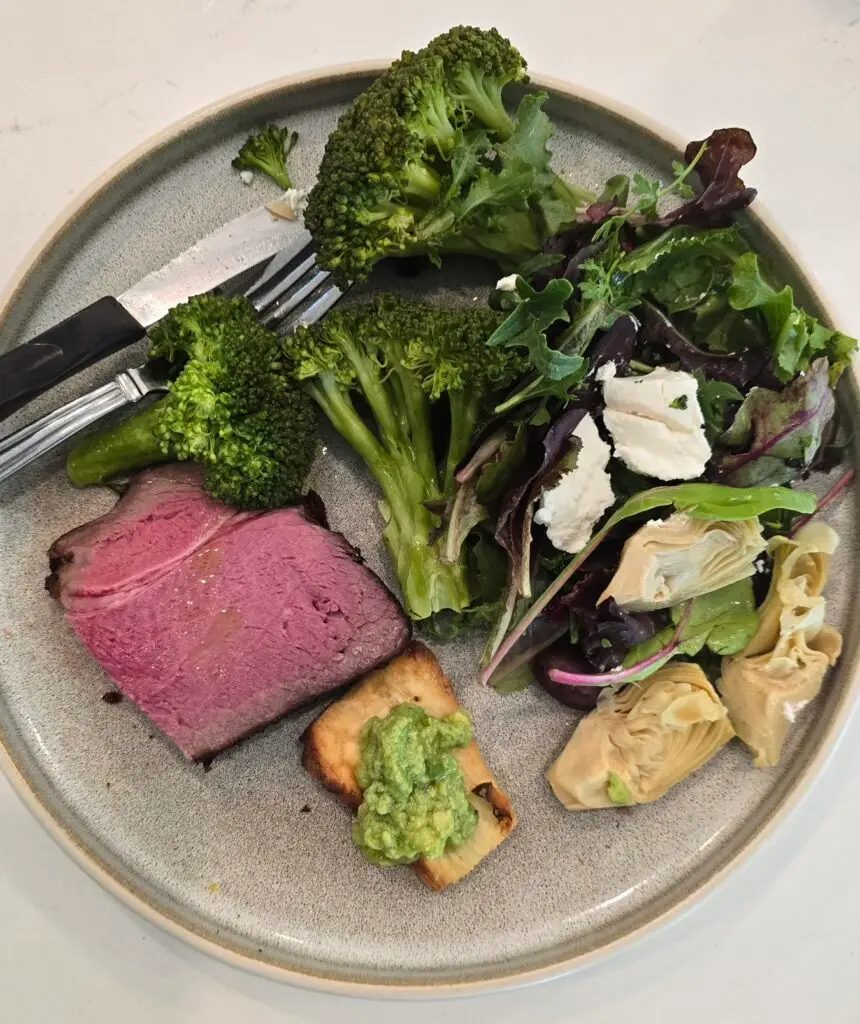
Sous Vide and grilled chuck roast with pressure-cooked broccoli, mixed lettuce salad, artichoke hearts, and fried yucca topped with guacamole.
Ribeye meal
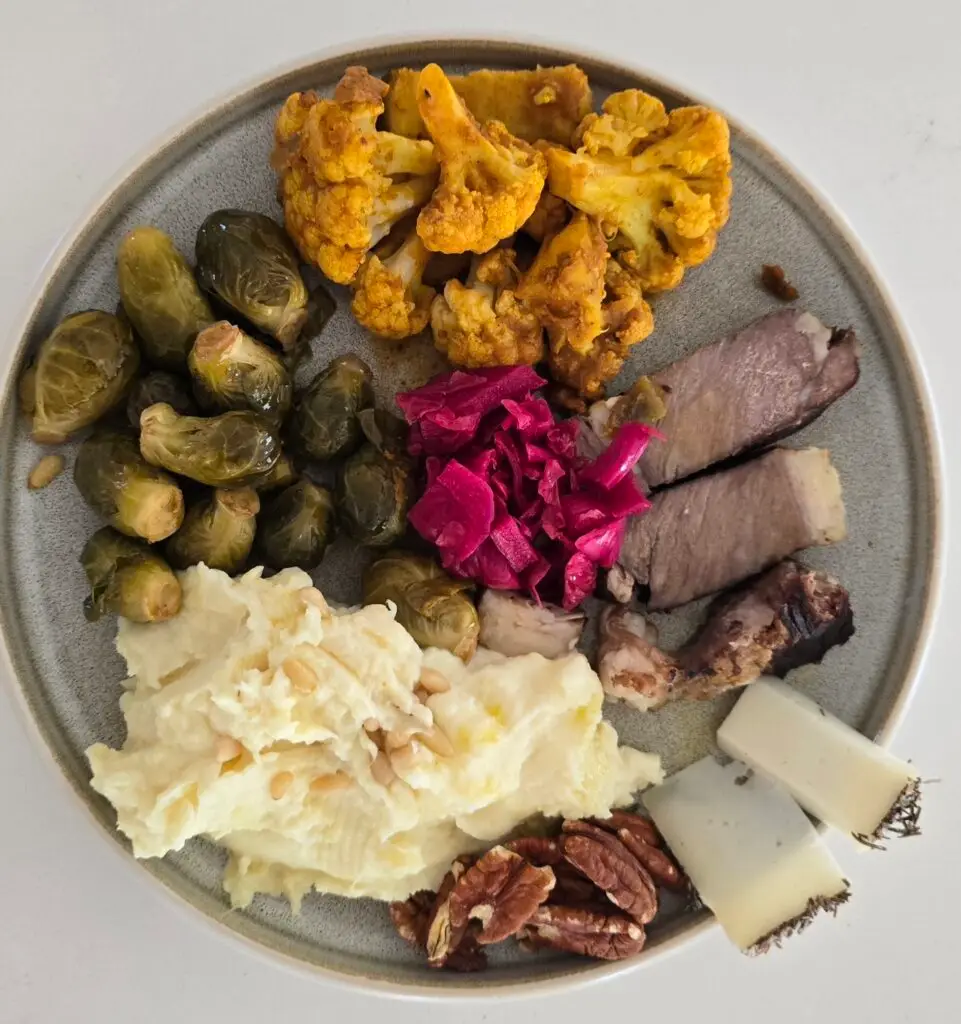
Here’s a sous vide ribeye steak, grilled and served with mashed sweet potatoes, goat yogurt, pressure-cooked Brussels sprouts, homemade sauerkraut, aloo gobi cauliflower, goat cheese, and pecans.
Beet leaf Salad with salmon and blue cheese
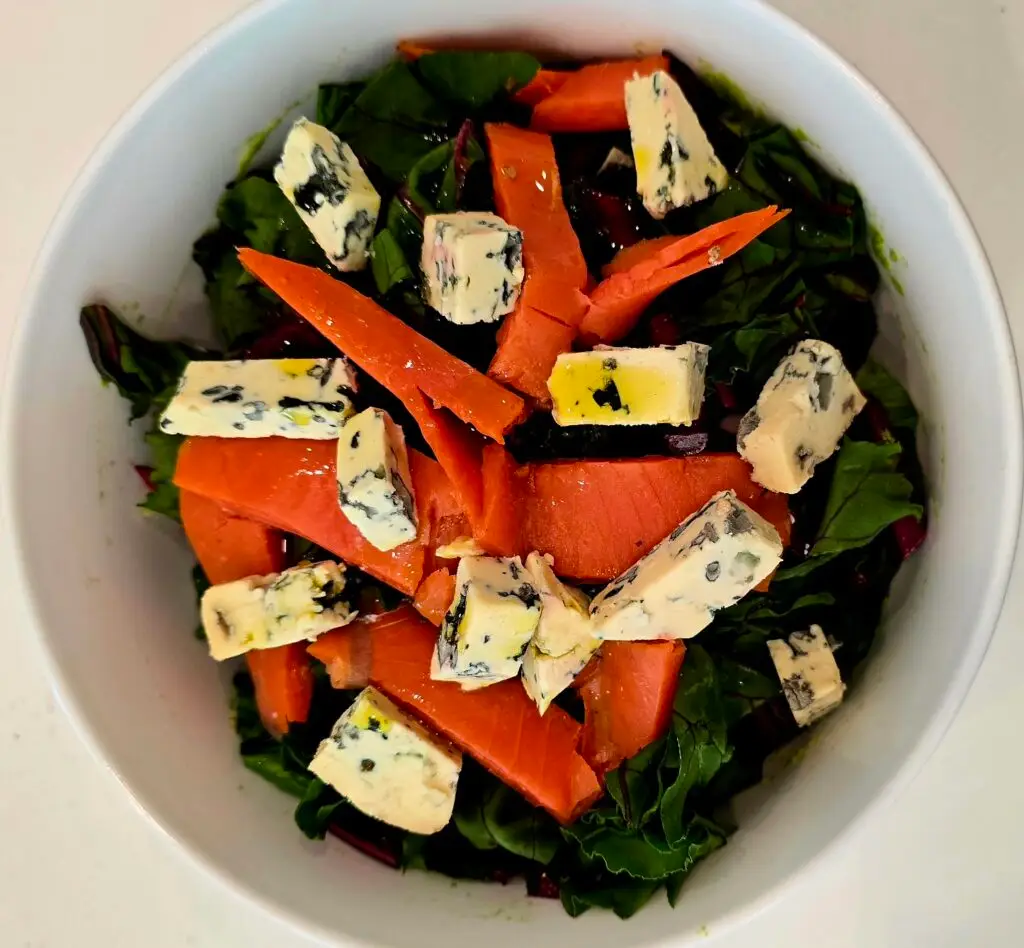
If you buy whole beets, you can cut off the stems and leaves and use them in a salad. Slice the beets very thinly and top them with blue cheese and olive oil to make beet carpaccio.
Frozen Yogurt – Ninja Creami
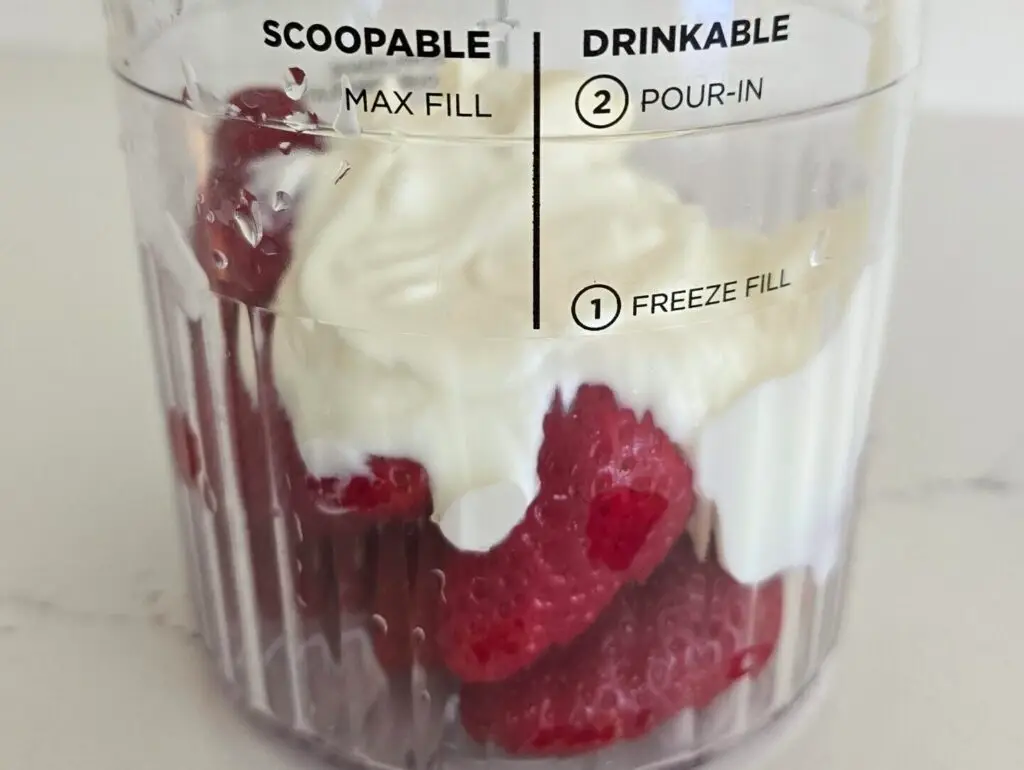
Summer is here, so it’s time for a treat! This recipe for frozen yogurt makes smooth, soft-serve-style yogurt with real fruit and an allulose health upgrade. Start with any in-season fruit, such as spring strawberries. Try to find organic, local fruit if you can. The thinnest yogurt is goat, slightly thicker is sheep, and thickest is A2/A2 cow. Allulose adds sweetness without sugar and is a natural GMP1 enhancer. Place your fruit and yogurt in the Creami container. There’s no need for a separate blender. See the fruit combinations below. Set the machine to a full container and run it for a four- or five-minute cycle. It doesn’t matter which cycle you choose, as the machine will blend the fruit and yogurt. Run a second cycle if there are still chunks of fruit. Freeze overnight. To finish, allow to sit at room temperature for 5-10 minutes. Add a couple spoons of fresh yogurt. Set the machine to BOTTOM HALF and run for a 4 minute cycle like Ice Cream. Scrape the sides and bottom with a butter knife. Taste and add a couple teaspoons of allulose to sweeten and balance the tartness if desired. Add more fresh yogurt if too powdery or thicker than desired. Run again for another cycle like Lite Ice Cream. Enjoy. Strawberry: Add 5-10 berries to fill to the freeze line, top with half a cup of yogurt. Blend for 2 cycles back to back. Kiwi: 3 kiwi, whole or cut, leave the skin on. Add 1 cup of yogurt on top and blend for 2 cycles back to back. Half size is 2 whole kiwi and half a cup of yogurt. Add seeds from half a pomegranate with a half to full cup of yogurt. Blend one cycle. Also consider blueberries, blackberries etc. Get creative as long as it is in-season and organic, preferably local.
Home-made Butternut Squash Puree
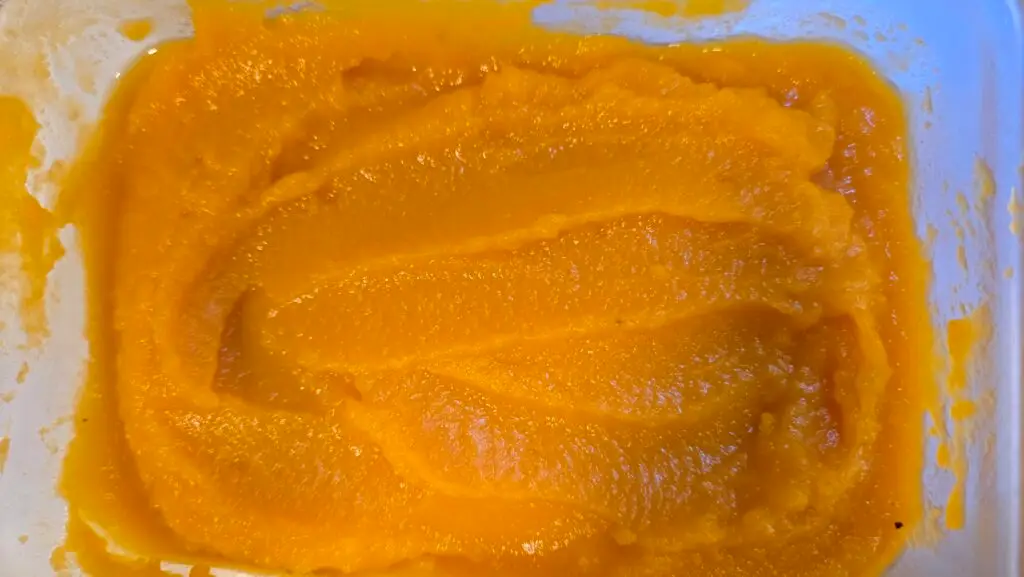
Homemade butternut squash puree. Use this in place of tomato puree (Passata) for great nutrition and lower lectin content. Start with an organic butternut squash if you can, peeled, cubed, de-seeded. Pressure cook on high for 16 minutes, rapid decompression. Puree with an immersion blender or regular blender, adding water to make an applesauce like consistency. Reserve in refrigerator until needed, up to a week.
Aloo Gobi – low inflammatory Dr. Dan style
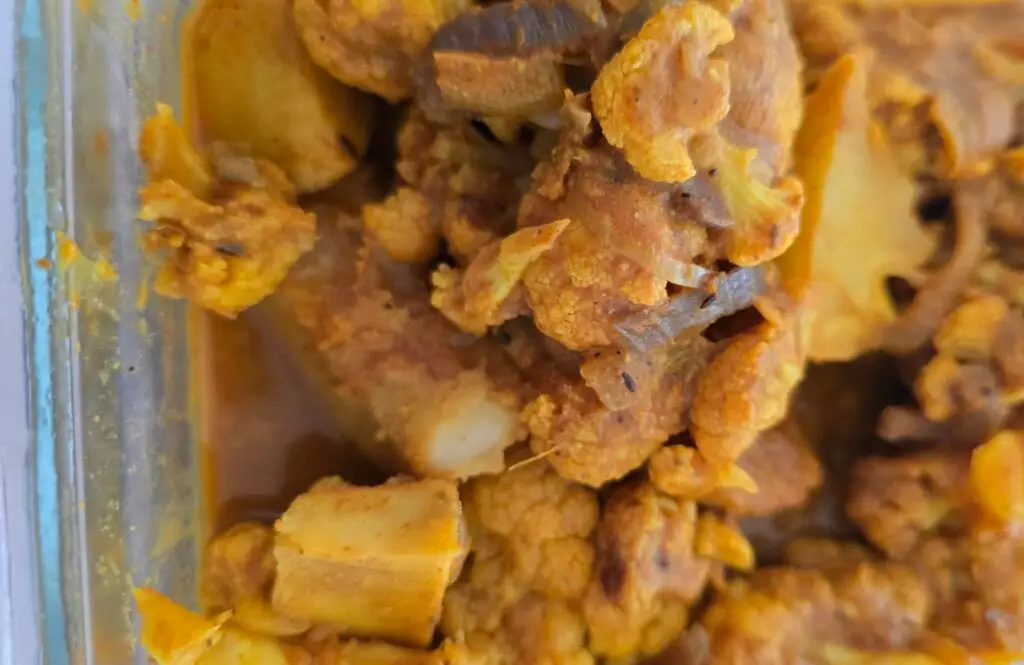
Aloo Gobi, Low Lectin Style Start with homemade butternut squash purée or canned organic pumpkin purée. Use one large cauliflower or two small ones. Cut out the base stem and break the florets into moderate-sized pieces by hand. Trim off any black areas, but do not cut the florets off. The stem is also edible and can be cut into bite-sized pieces. Place them in a pot of water to soak. You can jump to the traditional recipe with a pot on the stove top or continue here with a 6- or 8-quart Instant Pot pressure cooker for an even lower level of lectins. Turn the Instant Pot on to sauté mode on high with one tablespoon of ghee and one teaspoon of cumin seeds until toasted. Peel and cut a medium white sweet potato or Japanese yam into chunks. Place it in the pot to brown. Allow the potato to brown on at least one side. Do not stir often. Thinly slice one medium red or yellow onion. Add one teaspoon coarse sea salt. When the potatoes are browned, add the onions and cook until translucent, about five minutes. While the onions and potatoes are frying: Measure out one cup homemade or organic butternut squash or half 15 ounce can (200 mL) pumpkin purée. Add two teaspoons apple cider vinegar to the purée and set aside. Grate one finger of fresh ginger and set it aside. In a cup, combine the spices: 1.5 teaspoons of turmeric 3 teaspoons Kashmiri chili powder (omit for an even lower lectin content but the recipe will suffer. There is no good subsitute for Kashmiri chili). 6 teaspoons of coriander powder, 3 teaspoons of roasted cumin powder. 2 teaspoons garam masala When the onions have softened and become translucent, add the ginger and stir for about 30 seconds, until the ginger becomes fragrant. Add the butternut or pumpkin and adjust thickness to a sauce consistency, about 1 cup water for butternut and 2-3 cups for pumpkin. Stir well. Cook and stir until the color darkens and the vinegar odor disappears, about 2–4 minutes. Stir in the dry spices and mix to form a masala sauce. Add more water as needed to thin. Let the masala heat up to bubbling, then cancel the saute mode. Drain the cauliflower and add it to the pot. Add extra water, if needed, to ensure there is enough sauce to easily coat the cauliflower when stirring. Sauce thickness, or thinness is adjusted here. Pressure cook for two minutes on high. Rapid decompression. Stir, then pour into a glass storage container and allow to cool. The flavors will intensify and the sauce will thicken as it cools. Reheat in the microwave or in a covered pot with a tablespoon of water. It will taste even better the next few days.
Hydration
JUNE 2025 NEWSLETTER June, 2025 Newsletter Hydration – Deep Dive into Water Let’s talk about how to get hydrated the right way. Hydration is not optional, yet how do we do it right? Read on. Hydration Facts Most people know when they are “dehydrated.” That dragging, sluggish feeling. It’s easy to get there during a busy day. Many are not aware of a lesser level called under or subhydration. This is when we are drinking but not enough. This is a sneakier version yet still increases health risk such as cardiovascular event and lowers our ability to think! Being Hydrated Hydration is mostly independent of body weight. The typical adult needs about 2 to 2.5 liters (60 to 80 ounces) of water daily, along with basic and trace minerals. Salt facilitates water movement in the body, and it is actually harder to digest pure water than water with some salt. A popular salt mixture is Baja Gold sea salt, which contains about 70% sodium, with the remainder consisting of trace minerals. To prepare a half liter (or 18-22 ounces) of this mixture, add 1/2 teaspoon of Baja Gold fine sea salt to still or sparkling water. Drink this quickly first thing in the morning. You can also prepare additional batches to sip throughout the day to meet your daily hydration requirement. For Option 1, add 1/8 teaspoon of potassium chloride. If you are exercising or working out in the heat, adding potassium is a good idea. For Option 2, add 1/2 teaspoon of Magnesium BisGlycinate to your morning and evening drinks or to all of the bottles to boost magnesium levels. This is especially useful if you are experiencing signs of low magnesium, such as random muscle twitches and spasms, eyelid spasms, or a generalized feeling of low energy. You can even combine everything—Baja Gold, Magnesium, and potassium—for a full electrolyte replacement. The Dr Dan website has Amazon links for the items listed if you want to mix your own hydration drink.
Aloo Gobi – Restaurant Style
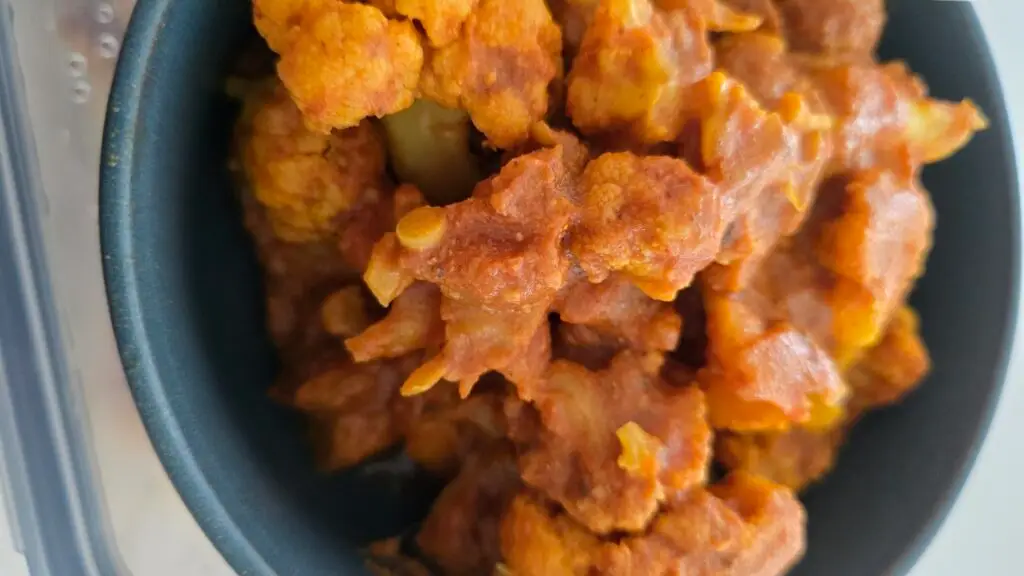
This is the traditional aloo gobi recipe, which is potatoes and cauliflower. It is not a low-inflammatory recipe, but it is included for reference. If you want to avoid nightshades, such as potatoes and tomatoes, check out the low lectin version. This version can also be made substituting tomato puree with pumpkin puree and 2 teaspoons applecider vinegar and sweet potato or Japanese yam in place of potato. Use one large cauliflower or two small ones. Cut the base stem, then break the florets into moderate-sized pieces by hand. Trim off any black areas, but do not cut off the florets. The stems are also edible and can be cut into bite-sized pieces. Place the florets in a pot of water to soak. Use an 8- to 12-quart stockpot large enough to hold all the cauliflower. Heat the pot with one tablespoon of ghee and one teaspoon of cumin seeds. Peel and cut two medium or large potatoes into chunks. Add the potatoes to the pot. Let the potatoes brown on at least one side. Do not stir often. Thinly slice one medium red or yellow onion. When the potatoes are browned, add the onions and one teaspoon coarse sea salt. Set aside one cup of Italian passata, or tomato purée—I like the Mutti brand. Grate one finger of fresh ginger and set it aside. In a cup, combine the following spices: 1.5 teaspoons of turmeric three teaspoons of Kashmiri chili powder, six teaspoons of coriander powder, and 3 teaspoons of roasted cumin powder. 1.5 teaspoons of garam masala. When the onions have softened and become translucent, add the ginger. Stir for about 30 seconds until the ginger becomes fragrant. Add the tomato passata and ½ cup of water. Cook and stir until the color darkens and the tomato aroma diminishes, about 2–4 minutes. Drain the cauliflower and add it to the pot. Add extra water, if needed, to ensure there is enough sauce to easily coat the cauliflower when stirring. Keep the pot on medium heat and cover it. Cook for 11 minutes. Stir and check for doneness of the cauliflower and sauce thickness. Adjust the water as needed. Cover and cook for eight more minutes. Repeat until the cauliflower reaches the desired texture. Remove from heat. Remove the lid, transfer to a heat tolerant container and allow it to cool. The flavors will intensify and the sauce will thicken as it cools. It will taste even better the next few days.
Pressure Cooked Brussels Sprouts
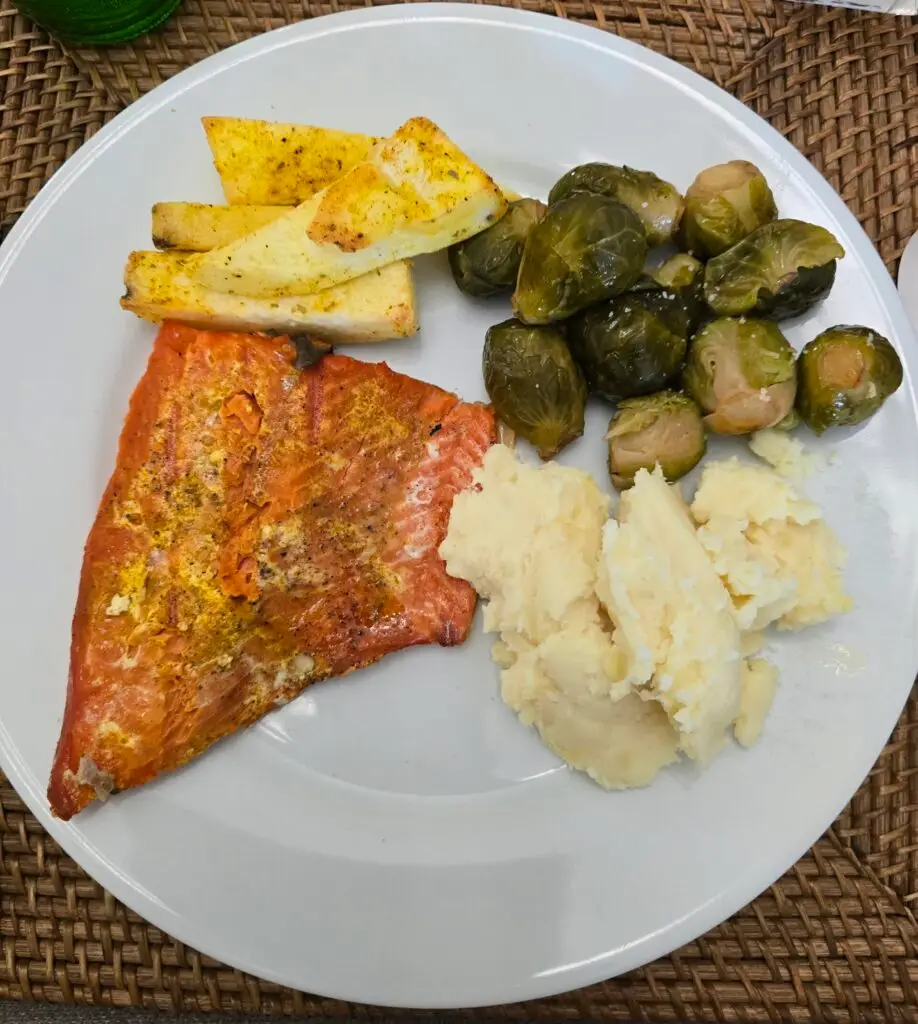
Recipe: Pressure cooked Brussels Sprouts Brussels sprouts are a family favorite, and the pressure cooker makes fast work of them. They can be made soft and easy to digest or firmer if your microbiome can tolerate it. These are great vegetables to start with as your gut is healing. Start with organic Brussels sprouts if you can find them. No need to cut or trim the stem at all! The pressure cooker will soften everything and it’s completely edible. This also saves a huge amount of time. Rinse and drain the sprouts. Place in the steamer, add 1-2 cups water, check the lid seal, set the steam valve to closed, rotate top into lock position and pressure cook on high for 8 minutes for very soft. Adjust the temperature in future batches based on your cooker and your preference for doneness. Note that 1 or 2 minutes in either direction makes a large difference in outcome. Also note that some sprouts are small and some are very large. The very large ones need much longer to cook. I prefer the smaller ones as they are easier to control
Pressure Cooked Broccoli, Cauliflower, Asparagus
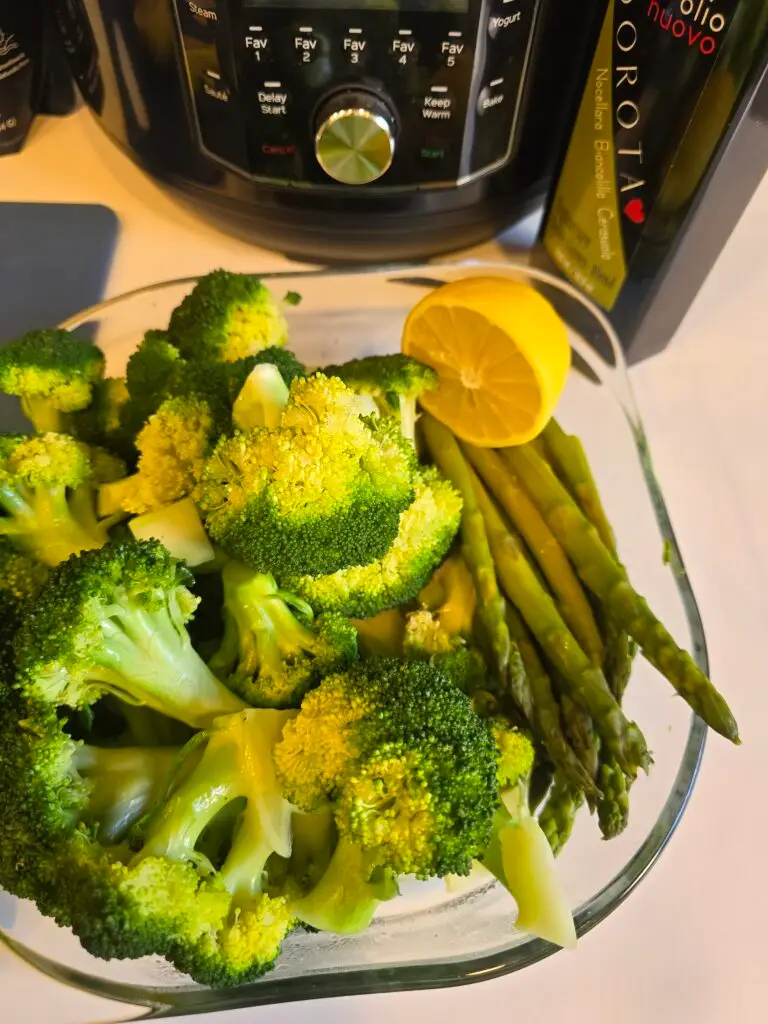
Recipe: Pressure cooked broccoli/cauliflower Broccoli and cauliflower are great staples for almost everyone. Pressure cooking is a fantastic way to lower the lectin content even more and make them easy to digest. These are great vegetables to start with as your gut is healing. Start with two to four stalks of broccoli or one cauliflower. The way to cut both without making a huge mess is to trim the individual stalks at the stem for broccoli and to pull the florets apart by hand for cauliflower. The stems of both are edible too but the outer tough skin of broccoli needs to be cut off. Only use the tender inside of broccoli. Rinse and drain the pieces. Place them in the steamer and add 1-2 cups of water. Check that the lid is sealed and that the steam valve is set to closed. Rotate the top into the lock position. Steam the broccoli for 1 minute and the cauliflower for 0-1 minute. One minute will result in a firm texture, but you can cook it for up to three minutes for a softer texture. Yes, you can cook for zero minutes because the pressure cooker still needs time to bring up the temperature and pressure. This is the amount of time at pressure, so even zero minutes is still cooking. Your pressure cooker may require different times, but start with these. BROCCOLI: 1 minute ASPARAGUS: 0 minute CAULIFLOWER: 0 to 1 minute